

Our Founder
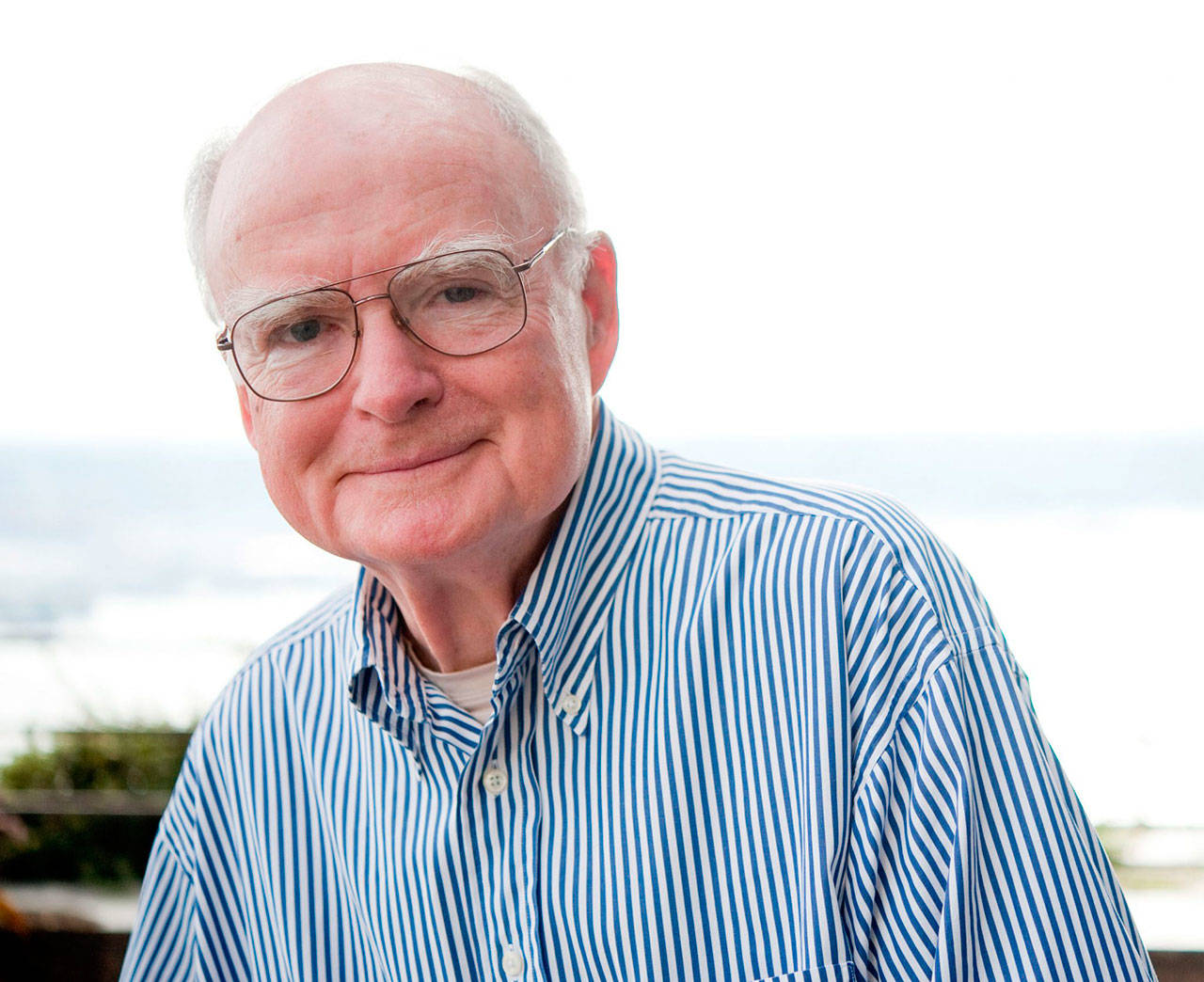
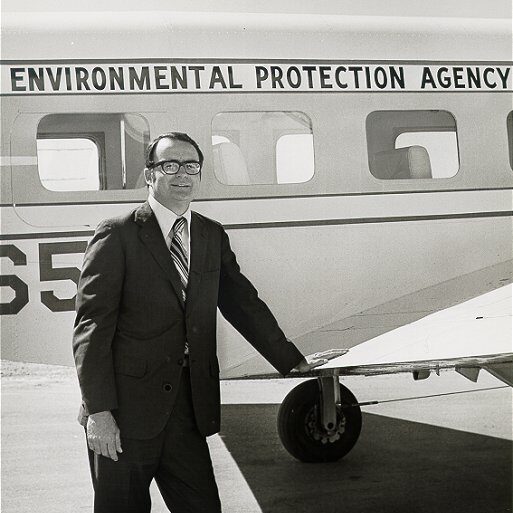
William D. “Bill” Ruckelshaus (1932 – 2019) was a public servant, environmental steward, and forward-thinking leader in fostering civic health and collaborative public policy. Trained as an attorney, Bill served as a Republican in the Indiana House of Representatives from 1966 – 1968. He was then appointed by President Richard M. Nixon as the US Assistant Attorney General in 1969. The following year, he was named the first administer of the newly-created Environmental Protection Agency (EPA). In this role, he oversaw the implementation of the Clean Air Act and banned DDT, the harmful ecosystem effects of which had been documented in Rachel Carson’s Silent Spring. He again led the EPA under President Ronald Reagan from 1983 – 1985, when he put the struggling agency back on solid administrative footing. Bill’s performance is still studied as a textbook example of how to establish an effective organization.
Bill is perhaps best known for the part he played in the so-called “Saturday Night Massacre.” After leaving the EPA to serve as Deputy Attorney General in 1973, he was ordered by President Nixon to fire Watergate special prosecutor Archibald Cox, which would have prevented Cox from uncovering incriminating tape recordings. Rather than obey an order that he believed to be counter to the rule of law, Bill resigned his position.
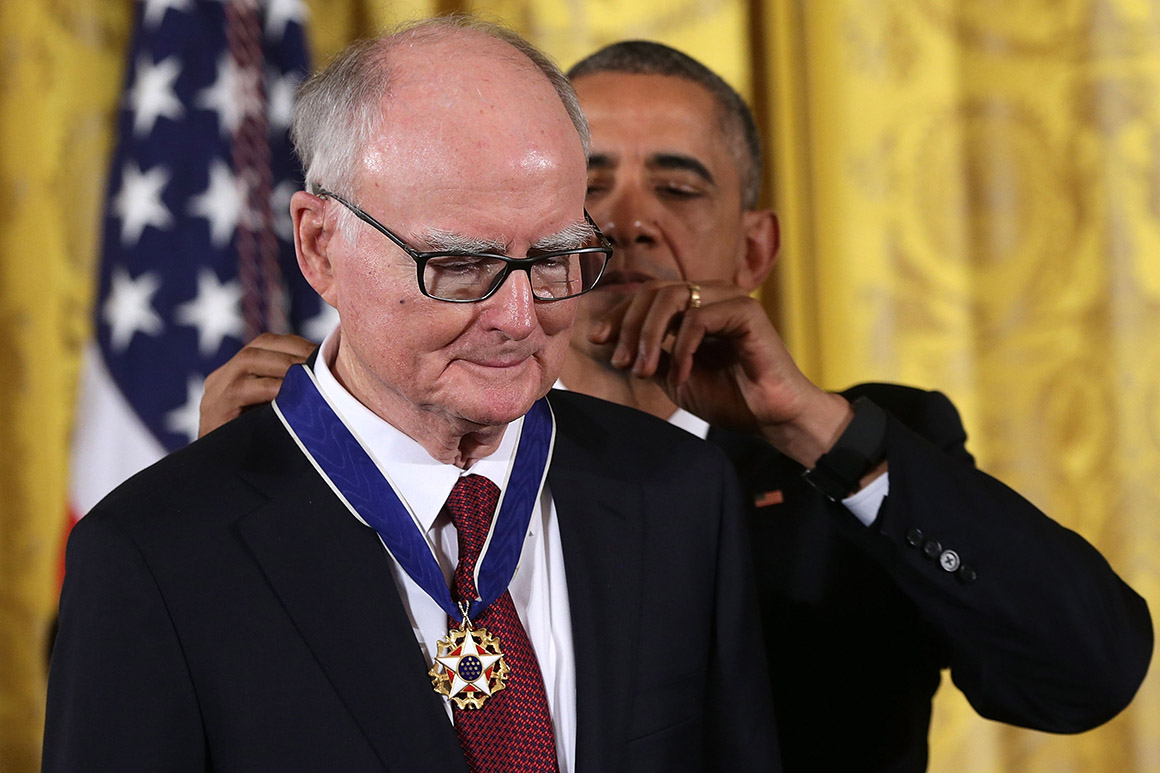
In addition to public service, Bill worked for Weyerhaeuser, Perkins Coie, and Browning-Ferris Industries. He also served on a number of national and international commissions related to sustainable development, salmon recovery, and ocean policy. In 2015, he was honored with the Presidential Medal of Freedom by President Barack Obama.
To learn more about Bill, watch the videos below:
Our History
Bill first came to Washington state during his service to the US Army in the early 1950s. He fell in love with the state’s natural beauty, returning with his young family in the early 1970s. Throughout nearly 50 years in the Pacific Northwest, Bill was active in many issues related to environmental sustainability and corporate responsibility. He led through collaboration and principled negotiation, recognizing that when people focus on shared interests, they can overcome gridlock and achieve multi-benefit solutions.
Over time, Bill became interested in how collaboration could be used to address public policy issues. In the mid-1990s, he worked with his friend Senator Alan Simpson to create an interdisciplinary, collaborative program at the University of Wyoming. The program, which became the Ruckelshaus Institute, was founded in 2002 under the Haub School of Environment and Natural Resources.
Based on what he learned from this experience, Bill began to explore the possibility of creating a similar center in Washington state. He worked with several community leaders to establish the Policy Consensus Center, later named the William D. Ruckelshaus Center, at the University of Washington and Washington State University. The Center first opened in 2004, focused on applying the principles of collaborative governance to natural resource challenges. The Center later expanded its work to cover all public policy areas, including education, emergency management, health care, community development, and more.
With the combined resources of our premier research institutions, the Center establishes an invaluable neutral forum for addressing our state’s most complex and pressing challenges.
Bill Ruckelshaus
Today, the Center is jointly hosted by the Evans School of Public Policy and Governance at the University of Washington and the Office of the Provost at Washington State University. The Center is dedicated to assisting public, private, non-profit, and tribal leaders in their efforts to build consensus around complex public policy issues.
The Center is committed to carrying forward Bill’s legacy by building problem-solving capacity throughout the state, helping individuals and organizations better understand, initiate, and lead collaborative public policy efforts. Increasing collaborative capacity is a core part of the Center’s vision – a future in which government leaders, policy makers, and community members routinely employ the tools of collaborative decision making to design, conduct, and implement successful public policy processes.